
Disclaimer: Some of the links on this page are affiliate links. As an Amazon Associate and affiliate for other networks, we may earn a commission from qualifying purchases at no additional cost to you.
If you tend to focus on your upper body muscles at the gym, you may want to rethink that decision. Focusing on the muscles above your belt-line is important but failing to focus on your legs is a huge mistake. Regular leg workouts will give you strong and athletic gluts, quads, and calves. Working your upper and lower body helps you look stronger and more symmetrical. If you’ve been neglecting your leg muscles lately, here are 14 reasons to never skip leg day.
1. Burn More Calories
Working the big muscles in your legs takes effort. It requires more work from your heart than working smaller muscle groups.
Challenging your lower muscles requires more energy. And in return, you’ll have more defined legs and burn more calories.
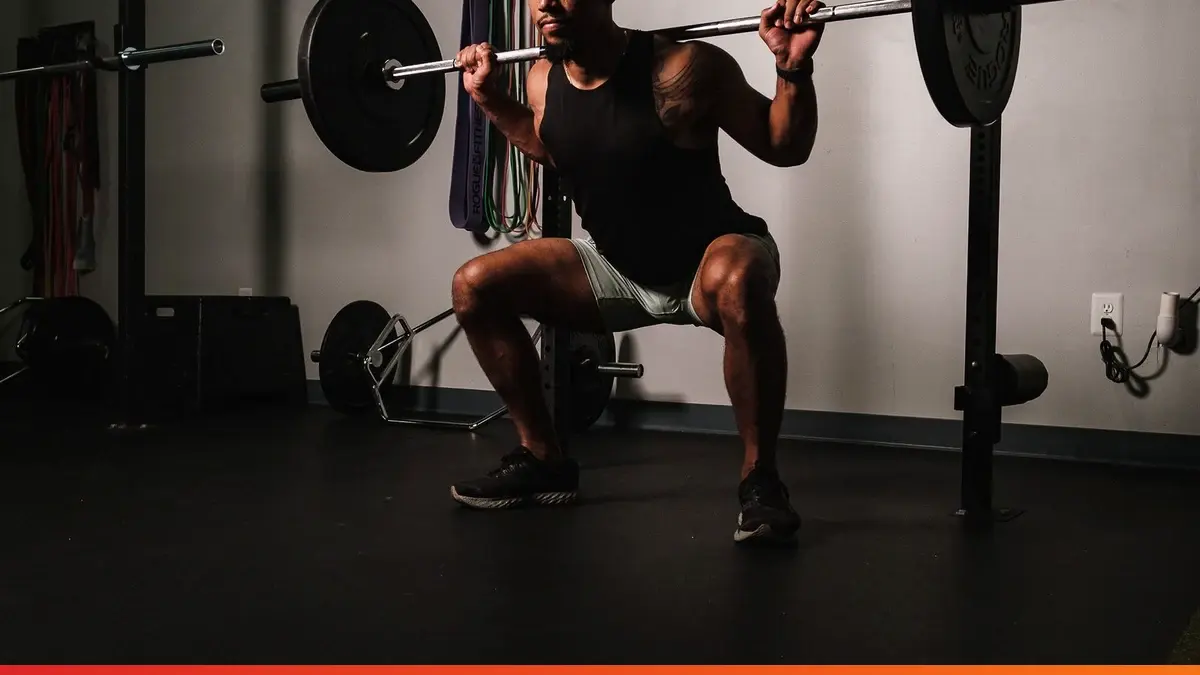
High-intensity exercises like squats raise your metabolism. Your body burns more calories to repair and rebuild your muscles when your workout is over.
Adding muscle mass increases your resting metabolic rate, so your body continues to burn calories at rest.
2. Improve Your Balance
Strength is critical for proper balance. Strong legs and a strong lower body provide a strong foundation.
Exercises that focus on the lower body such as calf raises, squats, and deadlifts increase your lower body strength and stability. Balance is critical for overall health and can help you avoid injury.
Whatever sports or activities you enjoy, improving your balance helps you perform better. If you focus your workouts on your upper body only, it’s time to rethink your strategy.
Knowing how to build leg mass will help enhance your strength, performance, and balance.
3. Reduce Your Risk of Injury
Athletes who fail to train their lower body are more prone to injury. Keeping your lower body strong can make a huge difference in your overall strength and stability.
This can help keep you on your feet and less likely to suffer a fall, strain, or sprain. “Runner’s knee” is a common injury that’s often a result of an imbalance between the hamstrings and quad muscles.
Understanding how to build leg muscles and adding leg day to your weekly workouts are essential for keeping your body strong and injury-free.
4. Be a Better Athlete
Whether you are a sports enthusiast or simply trying to stay healthy, you want to be as strong and fit as possible. Your power starts from the ground, moving up from your feet and ankles and through your knees and upper body.
The stronger your foundation, the more power you’ll have for any sport or activity you want to do. You must train your leg muscles to improve your skills and reach your full physical potential.
Even if you have natural ability and talent, you’ll be a better, stronger athlete if your gluts, quads, and hamstrings are strong and powerful.
5. Boost Your Metabolism
Leg workouts will make you stronger for sure, but they also boost your metabolism. Lifting weights builds muscle mass which makes you faster and stronger.
When your body is muscular you burn more calories and fat. Basically, your body performs better when it’s toned and fit.
As far as revving up your metabolism, nothing beats weight training. It’s one of the best things you can do to keep your weight down and your strength up.
Cardio is great for your overall health, but don’t overlook the value of a strong base, core, and upper body. Regular workouts plus supplements for muscle gain can speed up your metabolism and help you look and feel your best.
6. Get Faster
Strength training is great for your endurance. It can make you a faster and more efficient runner.
Strength-based exercises like deadlifts and squats strengthen your hips and reduce your risk of injury. Cyclists who strength train their lower bodies have more endurance and power than those who skip weight training.
The same is true for skaters and skiers. Whatever the sport, lower body strength training makes you stronger and faster.
Add some lower bodyweight training to your workout routine. It won’t take long to see a difference in your strength and overall endurance.
7. Increase Your Range of Motion
Weight training works wonders for your body. But don’t underestimate the value of flexibility.
Taking the time to stretch before every workout will keep your joints and muscles flexible. You’ll increase your range of motion and reduce your chances for injury.
Top athletes from all disciplines understand the value of flexibility, and that includes bodybuilders. Learning the correct movement patterns for strength exercises like squats, deadlifts, and lunges can help you improve your range of motion.
As you increase your strength and flexibility, you can tackle more weight and increase your gains.
8. Take Care of Your Heart
You may associate heart health with aerobic exercise. Running, biking, and other aerobic activities are great for your heart.
But resistance exercises play a role in cardiovascular health as well. Regular moderate-intensity weight training enhances blood flow and can help regulate your blood pressure.
Your best bet for heart health is a combination of cardio and upper and lower body strength training.
9. Look More Balanced
Your body looks best when it’s in balance. If you spend all your time weight training your upper body, you’ll soon look out of proportion.
Your body needs a strong foundation, and you want to look your best. Get into the habit of incorporating leg days into your weekly workouts.
In the gym, it’s obvious who focuses on their upper body only. You want to focus on your entire body, building strength and body symmetry as well.
10. Build More Muscle
Your leg and hip muscles are the largest in your body. Training these muscles releases lots of growth hormones and testosterone in the body, leading to stronger and bigger muscles.
Lower bodyweight training enhances the anabolic environment of the body which can improve the results you see in your upper body too. Although deadlifts benefit your lower body, they also enhance your torso.
Training your lower body builds your back muscles, traps, and grips. Serious bodybuilders always train their lower body.
No matter your level of fitness, training your upper and lower body will enhance your strength, endurance, and appearance.
11. Leg Day for Greater Strength
Stronger squats and deadlifts equal stronger legs and a stronger core. When you train your legs, you’ll increase your strength for upper bodywork.
Training your legs leads to a more powerful leg drive. This enhances any upper bodywork, including bench press. A stronger drive and a stronger core allow you to go heavier.
Squats and deadlifts are great for your back strength as well. These muscles help you achieve a stronger overhead press, leading to stronger and broader shoulders.
12. Improve Your Outlook
Lifting weights has so many physical benefits, but it also has mental benefits. Taking care of your body makes you feel healthier and provides an incentive for making good lifestyle choices.
Although leg training may be harder, it’s worth the effort. Weight training is more than aesthetics. It’s also about mental toughness, dedication, and willpower.
Whatever your long-term goals, weightlifting can play a part in building a healthy lifestyle, mental endurance, and strength of character.
13. Ease Back Pain
If you sit for hours a day at work, your back suffers from it. Sitting for extended periods can lead to weak hamstrings and tight, aching muscles.
Although regular stretching is important for back health, adding some weight training to your workout regimen can work wonders for an aching back. And strong legs are the foundation for a strong body.
Make sure you work to strengthen your hamstrings and gluts. When your legs are strong, your back doesn’t have to do all the work.
14. More Energy for Life
Everyone has different fitness goals. Whatever yours may be, you want to be at your best.
Your work and everyday activities are easier when you’re healthy and strong. Whether you’re picking up boxes, carrying groceries, chasing your children, or playing your favorite sport, your strength matters.
Even if your arms are strong, you’ll feel better and stronger when your legs are strong as well. Feeling and performing your best every day is yet another reason to add leg training to your fitness routine.
Never Skip Leg Day
Regular leg training provides physical and mental benefits. For greater strength, more endurance, a balanced physique, and a sense of wellbeing, you should never skip leg day.
Before you go, take a look at our fitness articles dedicated to your health and wellbeing.
Interactive Tools
Save these contextual tools to your profile for quick access.
Stop completely guessing.
Use our interactive PWA tools to calculate your exact macros, 1RM, and running pace offline.