
Disclaimer: Some of the links on this page are affiliate links. As an Amazon Associate and affiliate for other networks, we may earn a commission from qualifying purchases at no additional cost to you.
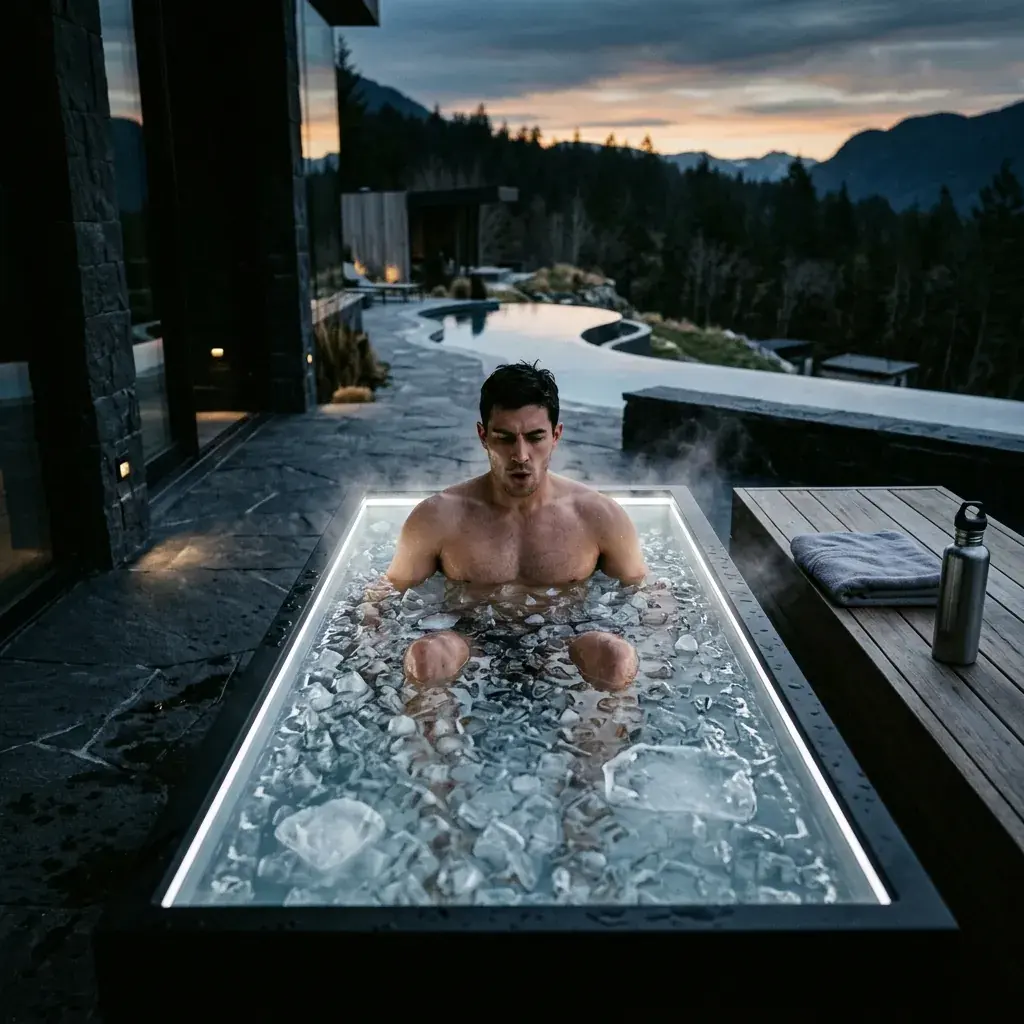
If you scroll through any fitness feed today, you will inevitably see someone submerged in a tub of ice water. Deliberate cold exposure has skyrocketed in popularity, heavily marketed as a panacea for everything from delayed onset muscle soreness (DOMS) to clinical depression.
But beneath the viral trends lies a profound neurobiological mechanism. Cold plunging is not just about muscle recovery; it is a clinical application of Hormetic Stress designed to fundamentally rewire the Autonomic Nervous System (ANS).
What is Hormesis?
Hormesis is the biological phenomenon whereby a beneficial effect results from the exposure to low doses of an agent that is otherwise toxic or lethal at higher doses. It is the physiological embodiment of "what doesn't kill you makes you stronger."
When you exercise, you are applying a hormetic stressor: you damage muscle fibers so they rebuild stronger. Deliberate cold exposure works on the exact same principle, but instead of targeting the musculoskeletal system, it targets your vascular network, your mitochondria, and your neurochemistry.
The Vagus Nerve and Parasympathetic Tone
The most immediate and profound impact of cold water immersion is its effect on the Vagus Nerve—the primary superhighway of your Parasympathetic Nervous System (the "rest and digest" state).
When you submerge yourself in water below 60°F (15°C), your body immediately triggers the "cold shock response." Your sympathetic nervous system (fight or flight) spikes: you gasp, your heart rate accelerates, and norepinephrine floods your bloodstream.
The physiological magic happens after the initial shock. By forcing yourself to remain submerged and consciously slowing your breathing, you actively override the sympathetic spike. You are forcefully activating the Vagus nerve to apply the "brakes" to your stress response.
Over time, this deliberate, controlled override increases your Vagal Tone and your Heart Rate Variability (HRV). A high HRV means your nervous system is incredibly resilient; it can seamlessly shift from high-stress execution to deep parasympathetic recovery without getting "stuck" in a state of chronic anxiety.
Pro-Grade Cold Plunge Tub Sponsored
Entry-level price, clinical-level cooling. A fully insulated outdoor ice bath pod that maintains sub-60°F temperatures without requiring thousands of pounds of daily ice.
Nurecover Portable Ice Bath Tub Sponsored
A highly convenient, budget-friendly portable cold plunge tub for everyday cold therapy and neurobiological reset.
Brown Adipose Tissue (BAT) and Thermogenesis
The metabolic benefits of cold exposure are driven by a specific type of fat: Brown Adipose Tissue (BAT).
Unlike white fat (which stores excess energy), brown fat is packed with iron-rich mitochondria. Its sole biological purpose is thermogenesis—burning calories to generate heat and maintain core body temperature.
Adults naturally lose brown fat as they age, primarily because we live in temperature-controlled environments. We are rarely required to generate our own heat. Deliberate cold exposure acts as a metabolic switch, not only activating existing BAT but stimulating the conversion of white fat into beige/brown fat.
This process drastically increases your baseline metabolic rate, improves insulin sensitivity, and enhances overall mitochondrial density.
The Protocol: The 11-Minute Threshold
You do not need to sit in freezing water for 30 minutes to reap these benefits. In fact, prolonged exposure leads to hypothermia, shifting the stimulus from hormetic (beneficial) to pathogenic (harmful).
Current clinical guidelines point to a very specific threshold for neurochemical optimization:
- The Target: 11 total minutes of cold exposure per week.
- The Breakdown: This is best achieved in 2-to-3-minute intervals over several days (e.g., four 3-minute sessions).
- The Temperature: The water needs to be uncomfortably cold, but safe to stay in. For most, this is between 50°F and 59°F (10°C - 15°C). The true metric is whether the cold makes you want to immediately get out.
- The End of Shower Hack: If you don't have an ice bath, ending your daily shower with 1-3 minutes of pure, unheated cold water is a highly effective entry-level protocol.
The Verdict
Cold plunging is not a fad; it is an ancestral mechanism we have lost in the modern world of climate control. By reintroducing deliberate cold as a controlled hormetic stressor, you are actively training your nervous system to handle anxiety, upgrading your mitochondrial metabolism, and building a foundation of unbreakable resilience.
Interactive Tools
Save these contextual tools to your profile for quick access.
Stop completely guessing.
Use our interactive PWA tools to calculate your exact macros, 1RM, and running pace offline.