
Disclaimer: Some of the links on this page are affiliate links. As an Amazon Associate and affiliate for other networks, we may earn a commission from qualifying purchases at no additional cost to you.
"Eat clean, train dirty." For a long time, the fitness community believed that weight loss required subsisting entirely on chicken breast, broccoli, and brown rice. Eating "dirty" foods—like pizza, ice cream, or cereal—would immediately derail your progress because of sugar spikes, insulin responses, or "toxins."
Enter Flexible Dieting, colloquially mapped to the acronym IIFYM (If It Fits Your Macros).
Flexible dieting posits a simple, thermodynamically backed principle: Your body does not view food as "good" or "bad." It views food purely as macronutrients (proteins, carbohydrates, fats) and micronutrients (vitamins and minerals). Therefore, as long as you hit your specific daily macronutrient targets, the exact source of those foods does not strictly matter for body composition.
The Science of IIFYM
Is there truth to this? Absolutely.
At the core of weight manipulation is the First Law of Thermodynamics: energy cannot be created or destroyed. To lose body fat, you must be in a caloric deficit.
A landmark study by Dr. Mark Haub at Kansas State University perfectly illustrated this. Dr. Haub went on the "Twinkie Diet," where for 10 weeks, he ate Twinkies, Doritos, and Oreos, alongside a protein shake to maintain lean mass. He consumed 1,800 calories daily (a 800 calorie deficit for him).
The result? He lost 27 pounds. Furthermore, his "health markers," including bad cholesterol (LDL), dropped by 20%, while his good cholesterol (HDL) increased by 20%.
The study proved the core tenet of flexible dieting: Caloric quantity dictates weight change. Macronutrient ratio dictates body composition. Food quality dictates internal health and satiety.
How to Start Flexible Dieting
If you want to implement this sustainable approach to eating, follow this hierarchy:
Step 1: Calculate Your Macros
You cannot flexibly diet if you do not know your targets. You need to calculate your Total Daily Energy Expenditure (TDEE) and extrapolate your macronutrient breakdown.
- Protein: ~1g per pound of target body weight.
- Fats: ~0.3g to 0.4g per pound of body weight (essential for hormonal health).
- Carbs: The remaining calories.
(Use our TDEE & Macro Calculator to get your exact numbers instantly).
Step 2: Track Accurately
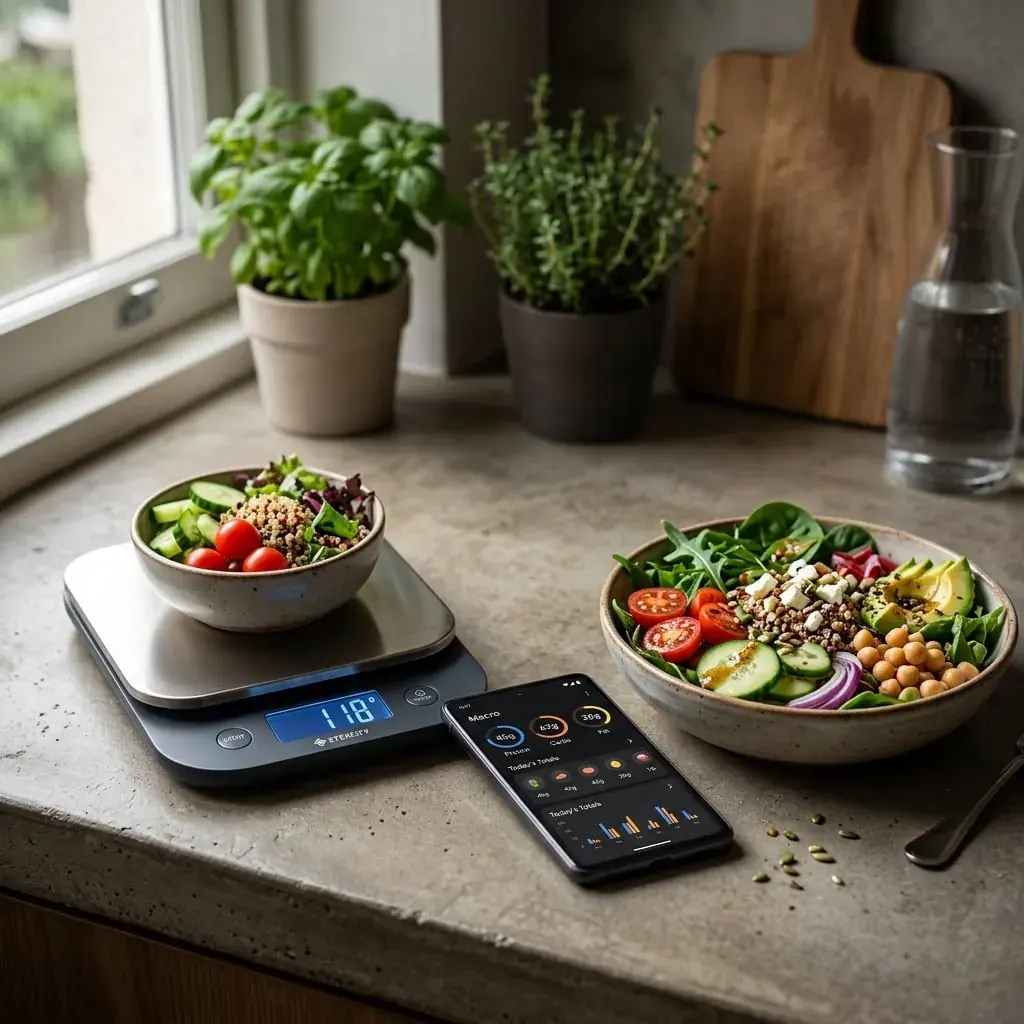
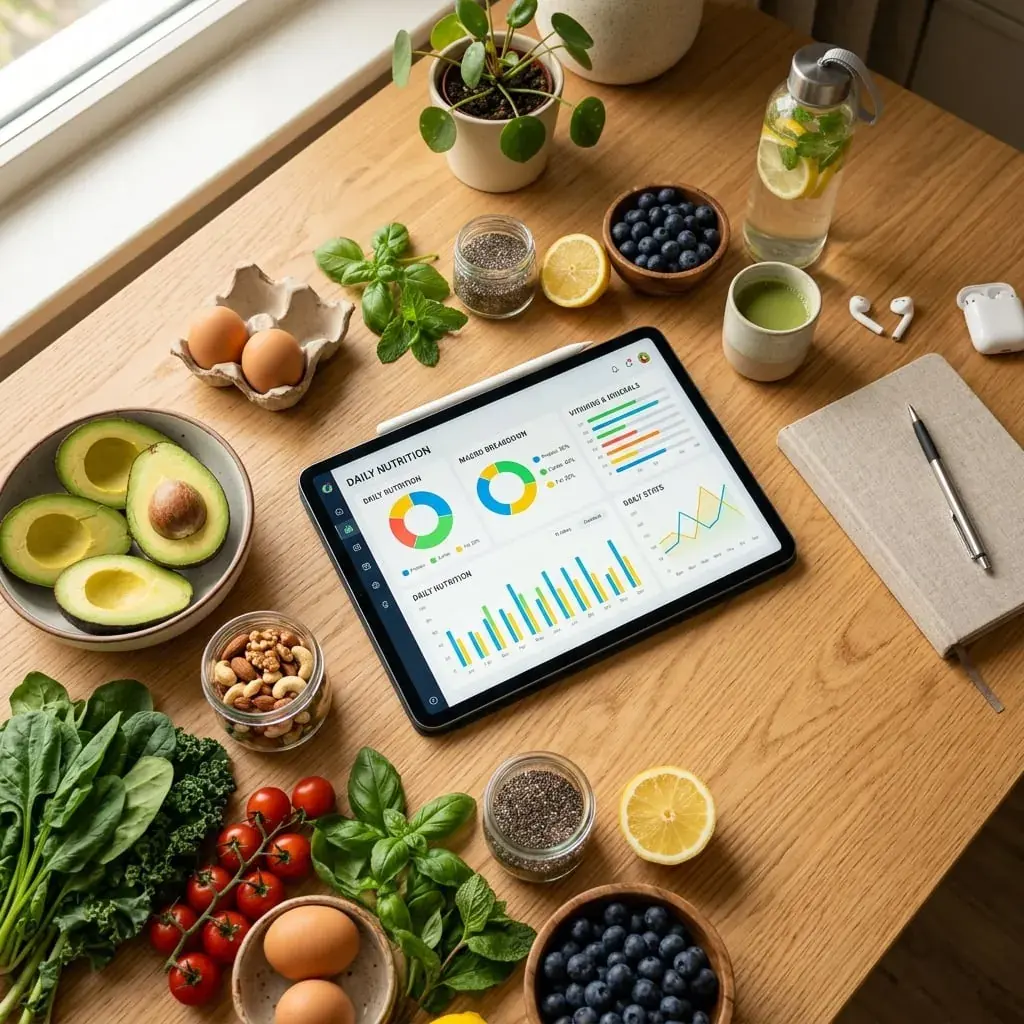
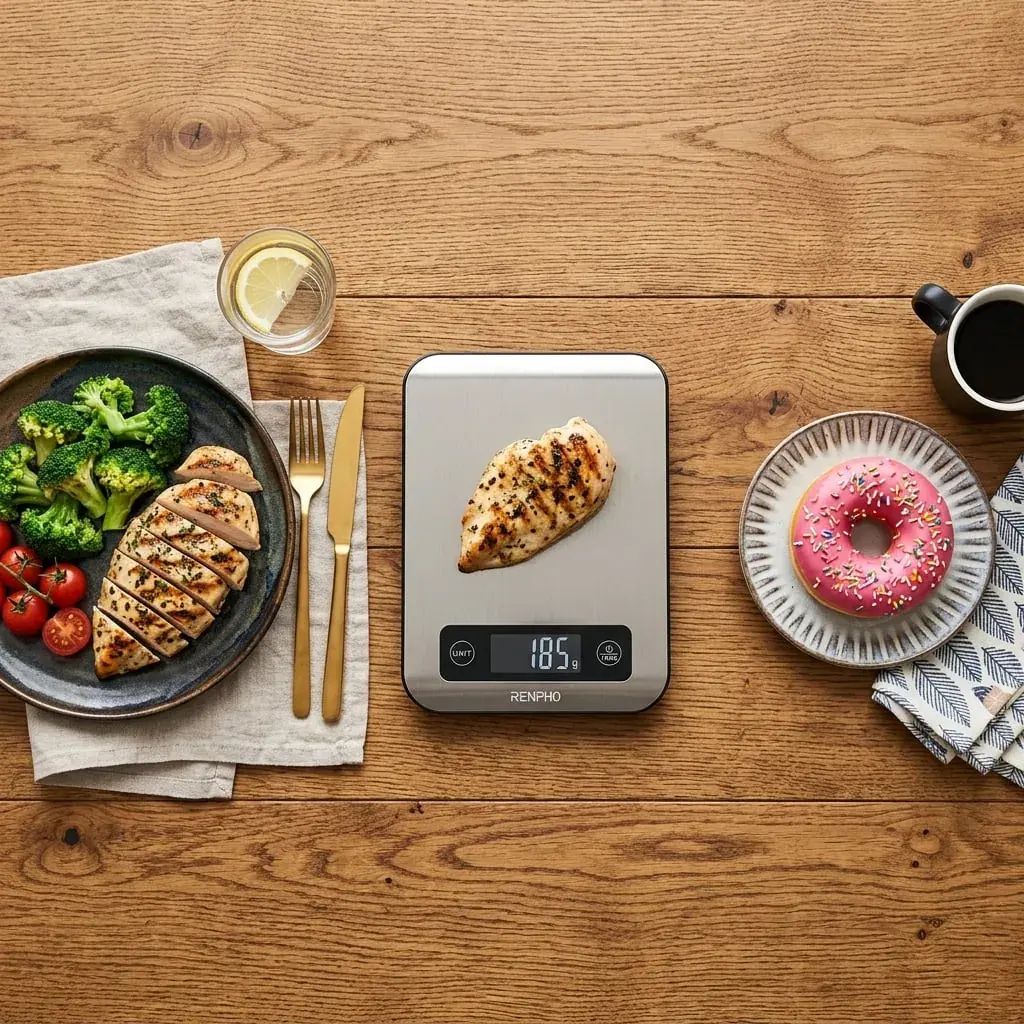
Flexible dieting requires data. If you guess your portions, you will almost certainly under-report your calories. Start by weighing your food using a digital food scale and logging every single ingredient into a tracker. While many apps exist, our local Daily Macro Diary provides a secure way to tally your numbers without cloud tracking.
Step 3: The 80/20 Rule
If IIFYM means you can eat anything, should you eat pop-tarts every day? No.
While the Twinkie diet proved you can lose weight on junk, you will feel miserable doing it. Highly processed foods are heavily palatable but completely devoid of satiety triggers and fiber. If you spend your daily 2,000 calories on 4 donuts, you will be starving for the remaining 23 hours of the day.
Instead, adhere to the 80/20 Rule:
- 80% of your macros should come from whole, unrefined, dense micronutrient sources (lean meats, oats, sweet potatoes, fibrous vegetables, fruits).
- 20% of your macros can be spent "flexibly" on treats, managing psychological cravings and preventing binge-restrict cycles.
The Verdict
Flexible dieting is not a diet; it is a nutritional framework. By removing the psychological burden of "bad foods," you decrease diet fatigue and significantly increase the statistical probability that you will stick to your nutrition plan for the years required to see systemic bodily change.
Interactive Tools
Save these contextual tools to your profile for quick access.
TDEE & Macro Calculator
Calculate your Total Daily Energy Expenditure and get custom macronutrient targets for your goals.
Stop completely guessing.
Use our interactive PWA tools to calculate your exact macros, 1RM, and running pace offline.