
Disclaimer: Some of the links on this page are affiliate links. As an Amazon Associate and affiliate for other networks, we may earn a commission from qualifying purchases at no additional cost to you.
For decades, creatine monohydrate has been pigeonholed as a "meathead" supplement—a white powder reserved exclusively for bodybuilders chasing hypertrophic muscle growth and water retention. However, recent clinical synthesis has blown this antiquated paradigm wide open.
Current longevity and neuro-fitness research suggests that creatine is, in fact, one of the most potent, heavily-researched neuroprotective agents available, and its most profound beneficiaries aren't male powerlifters, but women navigating hormonal fluctuations and chronic sleep deprivation.
Here is the clinical breakdown of why creatine is essential for women's cognitive healthspan.
The Neurology: Phosphorylating the Exhausted Brain
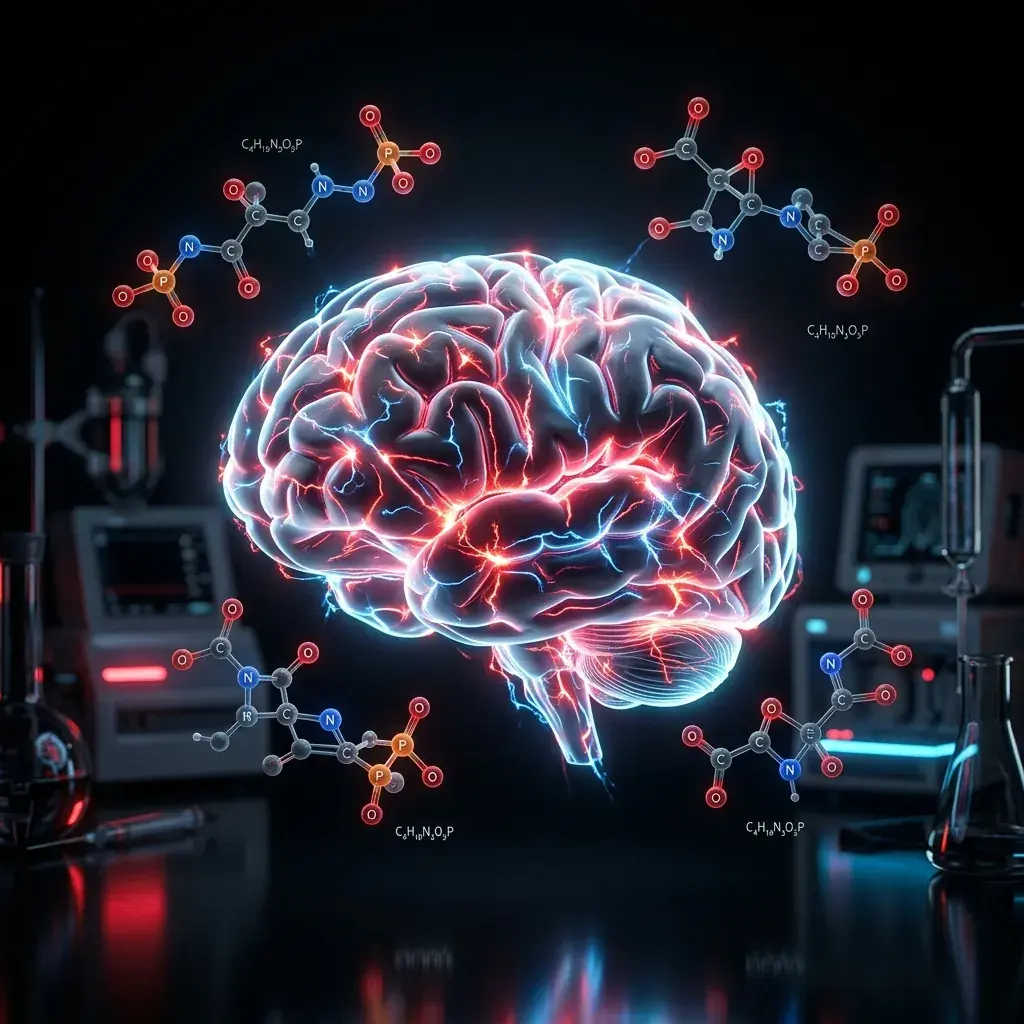
To understand why creatine matters for the brain, we have to look at cellular energy currency: Adenosine Triphosphate (ATP). When your brain cells fire—whether you are solving a complex problem or trying to recall a word—they strip a phosphate group from ATP, leaving behind Adenosine Diphosphate (ADP).
Your brain consumes roughly 20% of your total daily energy output. During periods of acute sleep deprivation or high cognitive stress, ATP depletes faster than the mitochondria can replace it. This is where the "brain fog" sets in.
Creatine acts as a rapid-response energy reserve. It stores itself in the brain as phosphocreatine. When ATP levels crash, phosphocreatine rapidly donates its phosphate group back to ADP, instantly regenerating ATP and restoring cellular energy. Studies show this mechanism is specifically highly active in the prefrontal cortex, the area of the brain responsible for executive function, focus, and emotional regulation.
💡 Note: Women naturally exhibit lower endogenous (internal) stores of creatine in the brain compared to men, making them exponentially more responsive to exogenous (dietary) creatine supplementation.
Hormonal Interactions: The Luteal Phase and Perimenopause
The real paradigm shift occurs when examining creatine's interaction with the female endocrine system.
Estrogen and progesterone do not just regulate the reproductive cycle; they are master regulators of mitochondrial function. During the luteal phase of the menstrual cycle (the week before menstruation), estrogen levels drop, leading to a natural dip in mitochondrial ATP production. This is often experienced as severe fatigue, brain fog, and decreased resilience to stress.
Clinical data suggests that creatine supplementation buffers this hormonal energy dip by providing an alternative, non-mitochondrial source of ATP regeneration.
Furthermore, during perimenopause and menopause, the permanent decline in estrogen severely limits the brain's ability to utilize glucose efficiently. Creatine supplementation has been shown to offset this cognitive decline by forcing energy directly into the neural pathways that need it most, effectively "bridging the gap" during hormonal transitions.
Clinical-Grade Creapure® Monohydrate Sponsored
German-engineered, 99.9% pure creatine monohydrate. No fillers, no bloating. The exact formulation used in neuro-clinical trials.
The Dosing Protocol: No Loading Required
The fitness industry often preaches a "loading phase" of 20 grams per day for a week to saturate muscle tissue. For cognitive health, this is entirely unnecessary.
To achieve neural saturation and reap the cognitive, hormonal, and sleep-deprivation buffering benefits, the protocol is simple:
- Daily Dose: 3 to 5 grams per day.
- Consistency Over Timing: It does not matter what time of day you take it. Creatine operates on cellular saturation, not acute timing. Take it whenever you are most likely to remember it.
- Form Matters: Stick to Creatine Monohydrate. It is the most heavily studied, safest, and most bioavailable form. Avoid expensive "buffered" or "liquid" creatines, as they degrade quickly into creatinine (a waste product) and lack clinical backing.
The Verdict
The clinical data is unequivocal. Creatine is not just for the weight room; it is a fundamental tool for optimizing the female brain, stabilizing energy during hormonal fluctuations, and protecting the prefrontal cortex against the ravages of modern sleep deprivation.
It is time to rewrite the creatine paradigm.
Interactive Tools
Save these contextual tools to your profile for quick access.
Stop completely guessing.
Use our interactive PWA tools to calculate your exact macros, 1RM, and running pace offline.