
Disclaimer: Some of the links on this page are affiliate links. As an Amazon Associate and affiliate for other networks, we may earn a commission from qualifying purchases at no additional cost to you.
In the world of fitness, what you eat before hitting the gym can significantly impact your performance and results. Pre-workout nutrition is a crucial element that fuels your body, enhances endurance, and aids in muscle recovery. Whether you’re a seasoned athlete or a fitness newbie, understanding the right foods to consume before a workout can set the stage for success. In this guide, we’ll explore the best pre-workout foods, timing, supplements, and how to tailor your nutrition to meet your fitness goals.
Understanding Pre-Workout Nutrition:
Pre-workout nutrition is all about providing your body with the energy it needs to perform at its best. The primary macronutrients—carbohydrates, proteins, and fats—play distinct roles in this process. Carbohydrates are your body’s main source of energy, proteins support muscle repair and growth, and fats provide a sustained energy release. Balancing these nutrients can help you power through your workouts with vigor and efficiency.
Top Pre-Workout Foods for Maximum Performance:
- Bananas: Often referred to as nature’s energy bar, bananas are rich in carbohydrates and potassium, which help maintain nerve and muscle function.
- Oats: A bowl of oatmeal provides a slow and steady release of energy, making it an excellent choice for sustained workouts.
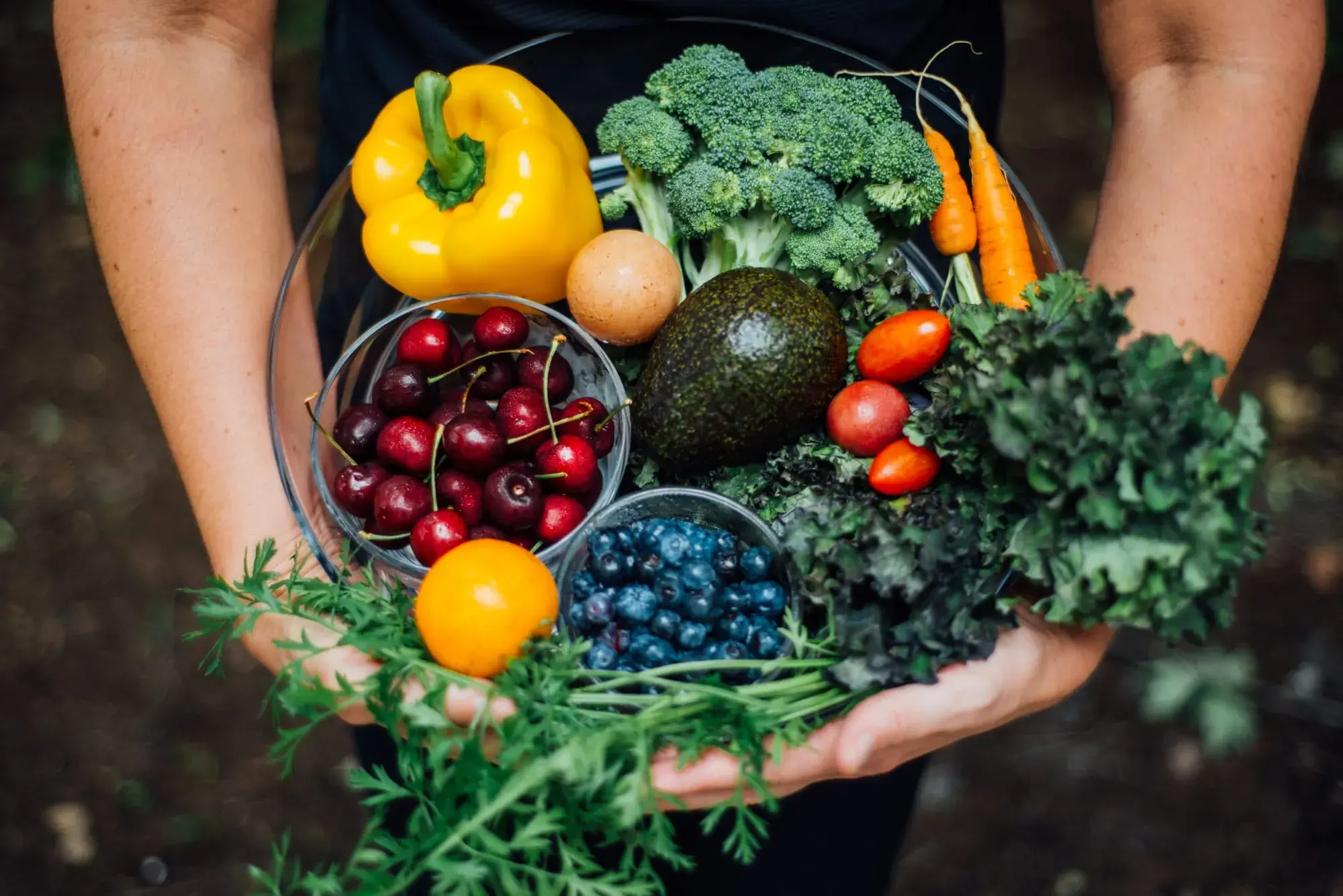
- Greek Yogurt with Fruit: Combining protein-rich Greek yogurt with fruits like berries offers a perfect blend of carbs and protein.
- Smoothies: A smoothie made with fruits, spinach, and a scoop of protein powder can be a quick and nutritious pre-workout option.
For more on how these foods can enhance your workout, check out our article on Pre-Workout Foods and Their Benefits.
Timing and Portion Control:
Timing your pre-workout meal is as important as the food itself. Ideally, you should eat 30 minutes to 3 hours before exercising, depending on your body’s tolerance and the size of the meal. A larger meal should be consumed earlier, while a small snack can be closer to workout time. Portion control is key to avoiding discomfort during exercise, so listen to your body’s signals and adjust accordingly.
Quest Nutrition Protein Bars Sponsored
Delicious, high-protein, low-carb snacks perfect for a quick pre-workout boost or on-the-go fueling.
Supplements to Consider:
For those looking to enhance their pre-workout nutrition, supplements can be a valuable addition. Here are a few to consider:
- BCAAs (Branched-Chain Amino Acids): These help reduce muscle soreness and fatigue. Learn more about BCAAs in our detailed guide here.
- Caffeine: Known for boosting energy and focus, caffeine can enhance workout performance.
- Creatine: This supplement supports muscle strength and power, making it popular among bodybuilders.
Explore our comprehensive article on Supplements for Muscle Building for more insights.
Tailoring Pre-Workout Nutrition to Your Goals:
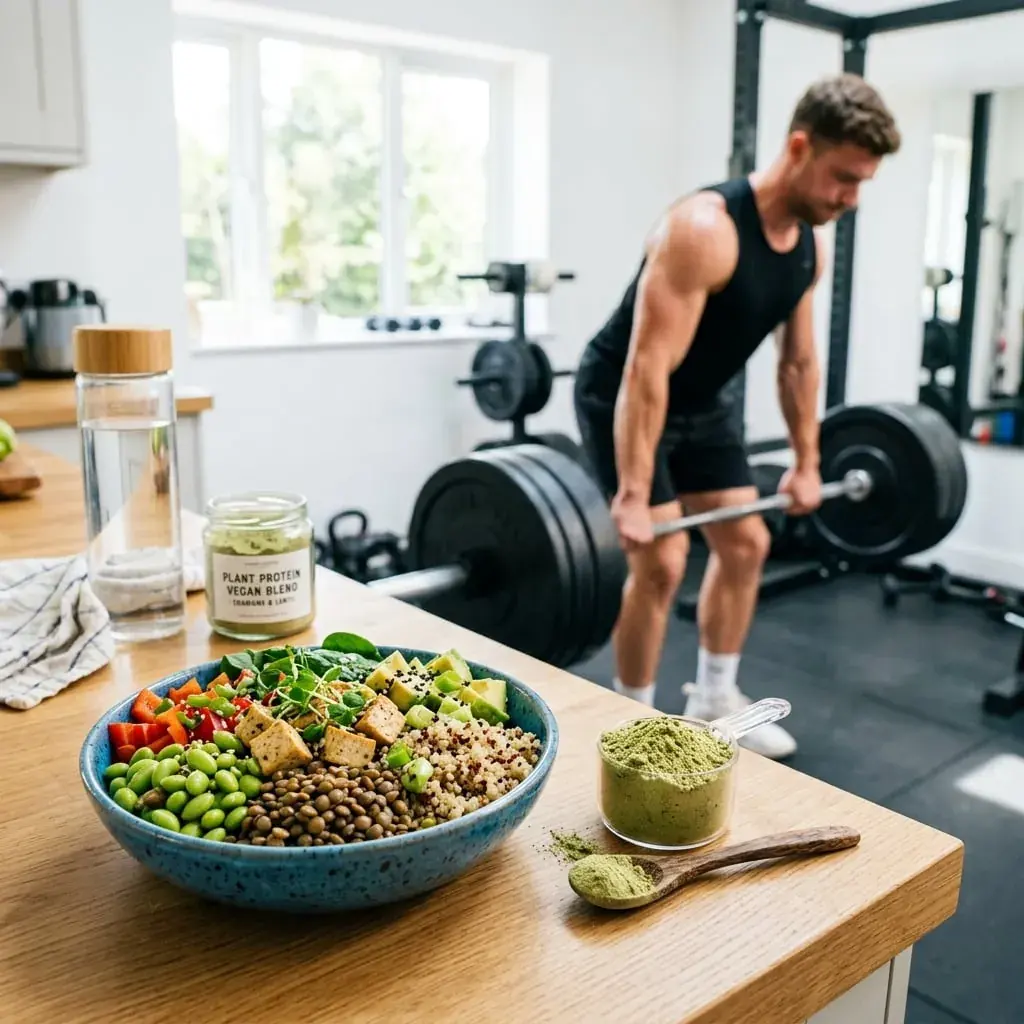
Your fitness goals should guide your pre-workout nutrition choices. For muscle gain, focus on protein-rich foods and supplements. If weight loss is your aim, opt for low-calorie, high-energy foods. Endurance athletes may benefit from carb-loading strategies. Additionally, consider dietary preferences and restrictions, such as vegan or gluten-free options, to ensure your nutrition plan aligns with your lifestyle.
For personalized strategies, read our article on Customizing Your Fitness Nutrition.
Conclusion:
Proper pre-workout nutrition is a cornerstone of any successful fitness regimen. By fueling your body with the right foods and supplements, you can enhance your performance, achieve your goals, and enjoy a more rewarding fitness journey. Remember, nutrition is personal, so experiment with different foods and find what works best for you.
We’d love to hear from you! Share your favorite pre-workout meals in the comments below or tag us on social media. Don’t forget to subscribe to the Lyf Fit newsletter for more tips, exclusive content, and updates on the latest in health and fitness.
For external links, consider referencing reputable sources such as:
Interactive Tools
Save these contextual tools to your profile for quick access.
Stop completely guessing.
Use our interactive PWA tools to calculate your exact macros, 1RM, and running pace offline.